

As described in the first part of the series, SUM Guard technology is designed to protect installation components against heat loss. It can also prevent the absorption of thermal energy from the outside and the formation of frost in refrigeration systems. In addition, it ensures ease of operation and free access to the insulated components. However, the wide variety of requirements and operating conditions imposed on thermal insulation means that it is not possible to create a single type of cover suitable for all industrial applications. Therefore, several basic variants have been distinguished within SUM Guard technology.
The first of these is SUM Maintenance Guard.

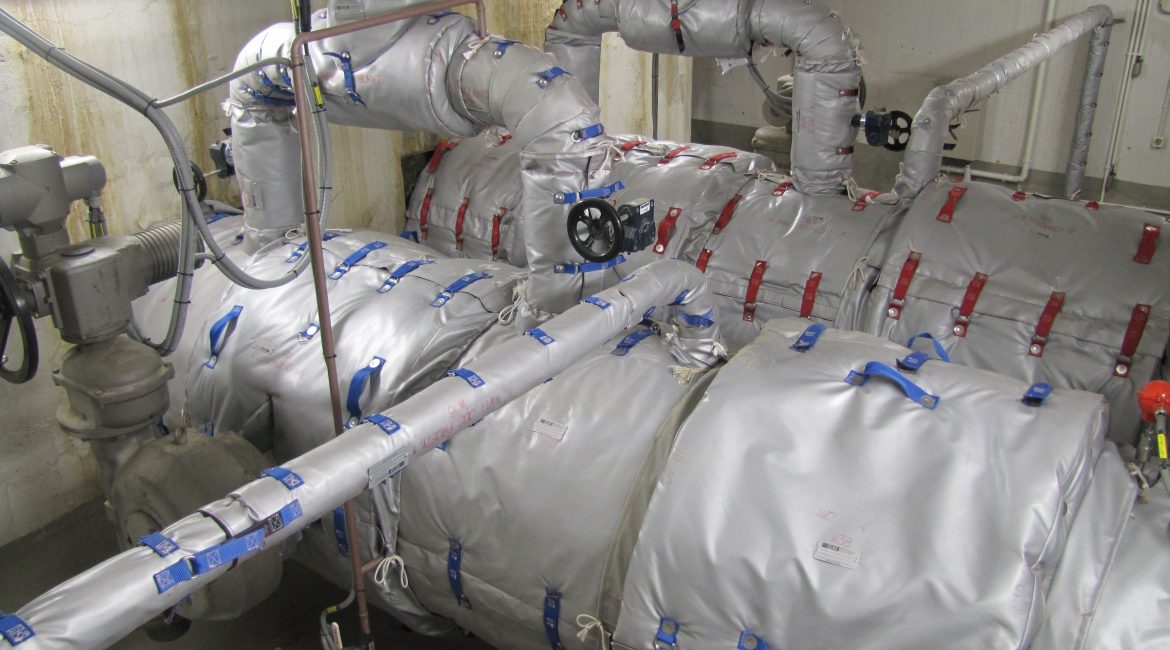
Covers in this basic version are made from glass fibre fabric coated with silicone. The insulation filling consists of a needled glass fibre mat with a minimum density of 130 kg/m3. They are designed for continuous operation at temperatures up to 260°C and are resistant to weather conditions as well as most commonly used industrial substances such as water, oils, greases, and similar media.
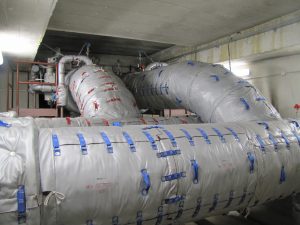
SUM Maintenance Guard covers are designed for installation on water, steam, and thermal oil systems. They can also be successfully used as a supplement to existing permanent insulation on fittings, providing a consistent and continuous insulation structure. Within this technology, thermal insulation covers can be manufactured for such components as:
- Flanged connections, valves, filters
- Boilers, heat exchangers, tanks
- Measuring and control instrumentation

SUM Maintenance Guard technology performs very well in district heating and power generation applications. It can be used for insulating valves and piping in district heating chambers. These covers effectively reduce heat losses while ensuring high resistance to demanding operating conditions (temperature, high humidity, occasional flooding of chambers, etc.). Thanks to their design, they allow quick and unrestricted access to the relevant installation component. In addition, no troublesome waste is generated in the process.
In the next part of our series, we will present solutions for the chemical and food industries.